The Future of Ship Design: Smarter, Cleaner, and More Autonomous Vessels

The future of ship design is being shaped by several powerful trends at the same time. Environmental pressure is encouraging cleaner propulsion, digital technology is making ships more connected, automation is changing how vessels are operated, and new materials are creating opportunities for lighter structures. Designers are therefore moving beyond traditional priorities such as speed, cargo capacity, and construction cost to consider emissions, data, autonomy, cyber security, and long-term adaptability.
The Shift Toward Low-Carbon Propulsion
One of the most significant changes is the transition toward lower-carbon propulsion. Conventional marine engines will remain in service for years, but future ship design will increasingly need to accommodate alternative fuels. Methanol, ammonia, hydrogen, biofuels, and synthetic fuels are all being studied for different applications. Each option affects tank size, machinery layout, ventilation, fire protection, fuel delivery, and safety zones. Designers must therefore plan the entire vessel around the selected energy system rather than treating fuel choice as a simple engine decision.
Electric propulsion will also expand in suitable markets. Short-route ferries and harbor vessels are particularly well suited to batteries because they can recharge frequently. Hybrid ships can combine batteries with engines, fuel cells, or other power sources. Future designs may use large energy-storage systems to smooth engine loads, support peak power demand, or provide zero-emission operation in ports.
Autonomous and Highly Automated Vessels
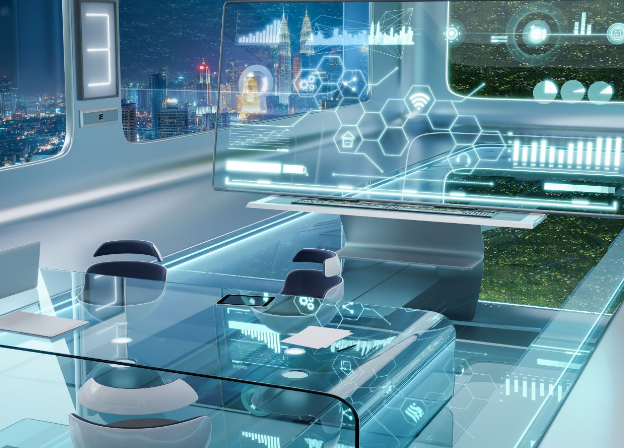
Autonomy is another major development. Fully unmanned commercial ships are still a complex goal, but increasing levels of automation are already influencing vessel architecture. Advanced navigation systems can combine radar, cameras, satellite positioning, electronic charts, and other sensors to improve situational awareness. Automated machinery systems can monitor equipment and adjust performance with limited crew input.
As automation increases, ship design may change physically. A vessel requiring fewer crew members may need less accommodation, food storage, freshwater capacity, and hotel services. These changes could free space for cargo or energy systems. However, reducing crew also places greater importance on reliability, redundancy, remote monitoring, and maintenance planning. Equipment may need to operate for longer periods without human intervention.
Read Also: 9 Benefits of Working with the Best E-commerce Development Company in Dubai
Cybersecurity as a Core Design Requirement
Cyber security will become a core engineering requirement. Connected vessels depend on digital networks for navigation, propulsion control, communication, cargo management, and maintenance. A cyberattack or software failure could therefore affect physical safety. Future ship design will need secure network architecture, protected control systems, backup modes, and clear separation between critical and noncritical digital systems.
Artificial intelligence may support navigation, maintenance, and energy management. Algorithms can analyze weather, traffic, fuel use, engine condition, and historical performance to recommend efficient routes or detect unusual behavior. Onboard systems may eventually make more decisions automatically, but designers will need to ensure that humans can understand and override automated actions when necessary.
Advanced Materials and New Manufacturing Methods
Advanced materials will also influence future vessels. High-strength steels can reduce structural weight, while aluminum and composites may be used more widely in specialized craft. Additive manufacturing could simplify the production of complex parts or allow spare components to be produced closer to where they are needed. New coatings may reduce corrosion, fouling, and maintenance requirements.
Modular Ships Built for Future Upgrades
Modularity is likely to become more important as technology changes faster than a ship’s normal service life. A vessel may operate for twenty or thirty years, while propulsion and digital systems can become outdated much sooner. Future ship design may include modular machinery spaces, replaceable energy systems, standardized equipment interfaces, and reserved areas for upgrades. This could make it easier to convert a ship to a new fuel or install improved technology later.
Whole-Life Environmental and Human-Centered Design
Environmental performance will extend beyond fuel use. Designers will continue to address underwater noise, waste treatment, ballast-water management, hull coatings, recycling, and the environmental impact of construction materials. Ships may increasingly be evaluated across their entire life cycle rather than only by operational emissions.
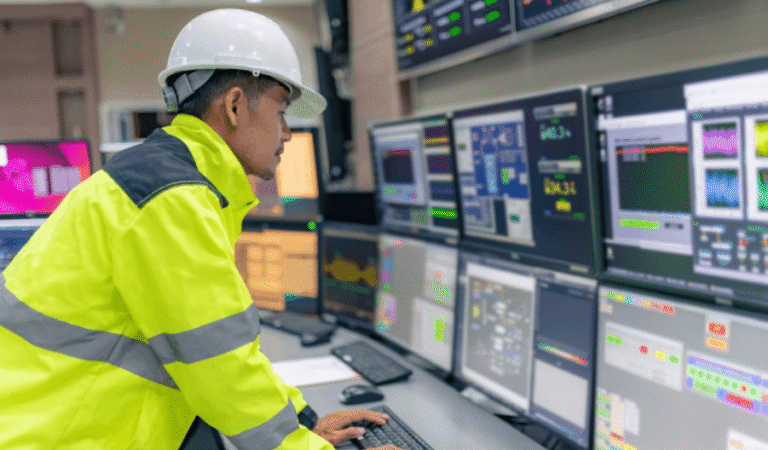
Human-centered design will remain important even as automation increases. Crews that remain onboard may have more technical responsibilities and spend longer periods supervising complex systems. Control rooms, interfaces, alarms, and maintenance access will need to support this changing role. Passenger vessels will continue to focus on comfort, accessibility, and safe evacuation while integrating advanced technologies behind the scenes.
Designing for Flexibility and Long-Term Change
The future of ship design will therefore be defined by flexibility. No single fuel, propulsion system, or level of automation will suit every vessel. Designers will need to combine traditional naval architecture with digital engineering, environmental strategy, and systems thinking. The most successful future ships will not simply be faster or larger; they will be cleaner, smarter, safer, easier to upgrade, and better prepared for a maritime industry that continues to evolve.